

Moving to the Caribbean is not only about warm weather, beautiful beaches, and a slower pace of life. It also means learning how people greet each other, communicate, build trust, celebrate, worship, eat, and show respect in everyday situations.
The first thing to understand is that the Caribbean is not one single culture. The Caribbean Community (CARICOM) describes the region as diverse in geography, population, culture, and levels of economic and social development. The Community includes island states as well as mainland territories such as Belize, Guyana, and Suriname.

The Caribbean Is Diverse, Not One-Size-Fits-All
A newcomer should avoid assuming that life in Jamaica is the same as life in Barbados, Trinidad and Tobago, Saint Lucia, Belize, Guyana, or The Bahamas. Each country has its own speech patterns, food traditions, laws, festivals, religious life, and social expectations.
CARICOM notes that Caribbean culture includes languages, religions, festivals, art forms, values, customs, sports, and other forms of self-expression shaped by history, faith, creativity, and ongoing outside influences.
That means the best approach is simple: observe first, ask respectfully, and learn country by country.
Greetings Matter More Than You Think
Across much of the Caribbean, greetings are part of basic respect. Walking into a small shop, office, taxi, or waiting room without saying “good morning,” “good afternoon,” or “good evening” can feel abrupt.
This is especially important for new residents dealing with landlords, neighbours, government offices, tradespeople, school staff, and small business owners. A greeting may seem minor, but it often sets the tone for the entire interaction.
Language: English, Creole, Patois, Kweyol, Dutch, French, and More
English is widely used in many Caribbean countries, but it is not the only language of the region. CARICOM identifies the Community as multilingual, with English complemented by French, Dutch, variations of these languages, and African and Asian expressions.
In Dominica and Saint Lucia, English co-exists with French-based Creole (Kweyol). In Haiti, Haitian Creole co-exists with French. Suriname uses Dutch and Sranan Tongo, while Jamaica and Guyana have English-based Creole forms alongside standard English.
For new residents, this means you do not need to speak like a local immediately. But learning common phrases, pronunciation, and respectful listening habits will help you settle in faster.
Time, Service, and Expectations
Many newcomers describe Caribbean life as more relaxed, but that does not mean people are careless or unprofessional. It often means systems work differently.
You may need more patience with paperwork, contractor timelines, government offices, utility setup, shipping and customs, and appointment scheduling.
The smart move is to follow up politely, confirm details in writing, and build relationships rather than relying only on urgency.
Food, Festivals, and Community Life
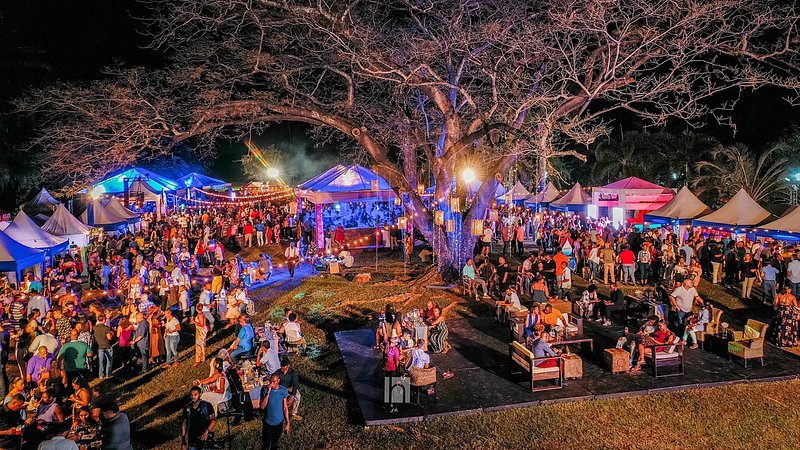
Food is one of the easiest ways to understand Caribbean culture. Across the region, everyday dishes tell powerful stories about history, migration, farming, family life, and community. In Trinidad and Tobago, foods like doubles, pelau, callaloo, roti, and bake and shark are part of local identity. In Jamaica, jerk chicken, ackee and saltfish, patties, and rice and peas are closely tied to national food culture. Barbados is known for cou-cou and flying fish, Guyana for pepperpot and cook-up rice, and Saint Lucia for green fig and saltfish.
Festivals also reveal how deeply culture is tied to community. Carnival is central in places such as Trinidad and Tobago, Barbados, Grenada, and Saint Lucia, but each country celebrates it in its own way. There are also Emancipation observances, harvest celebrations, religious holidays, music events, sailing festivals, food festivals, and national celebrations that reflect each country’s history and values.
UNESCO’s Intangible Cultural Heritage list includes Caribbean cultural expressions such as Grenada’s Shakespeare Mas’, a traditional part of Carriacou’s annual Carnival, and Jamaica’s Pilgrimage to Watt Town. Both were inscribed in 2024, highlighting the importance of performance, costume, oral tradition, spirituality, ritual, and community memory across the region.
How to Fit In Respectfully
New residents should avoid arriving with a “fix it” mindset. Caribbean countries are modern societies with their own systems, frustrations, strengths, and histories.
A respectful newcomer listens before comparing, avoids mocking accents or dialects, learns local names for places, supports local businesses, understands public holidays and festivals, asks before taking photos of people or private spaces, and respects religious and family-centred traditions.
Quick Answer: What Should New Residents Know About Caribbean Culture?
Caribbean culture is diverse, community-centred, and deeply shaped by history, language, religion, food, music, festivals, and everyday social respect. New residents should learn the specific customs of the country they are moving to instead of treating the whole region as one culture.
Frequently Asked Questions
Is Caribbean culture the same everywhere?
No. Caribbean countries share some regional history and similarities, but each country has its own customs, language patterns, food, music, festivals, and social norms.
Do I need to speak the local dialect?
No, but you should respect it. Learn common phrases naturally and avoid correcting how people speak.
What is the biggest etiquette mistake newcomers make?
Skipping greetings, comparing everything negatively to their home country, or assuming all Caribbean islands operate the same way.
Is the Caribbean English-speaking?
Parts of it are, but the wider Caribbean is multilingual, with English, French, Dutch, Spanish, Creole languages, and other linguistic influences present across the region.
For More Caribbean Living Guides
For more practical tips on settling into Caribbean life, understanding local culture, and making your move feel easier, explore our latest Caribbean living articles.